


Protecting Civil Rights in Georgia: What to Do If Your Rights Are Violated
October 2, 2025
JD Law Group
Learn what to do if your civil rights are violated in Georgia. JD Law Group defends victims of police misconduct, discrimination, and other violations of constitutional rights.
Civil rights are the foundation of a free and fair society. These rights, guaranteed by the U.S. Constitution and federal and state laws, ensure that every individual is treated with dignity and equality under the law. They protect citizens from discrimination, abuse of authority, and unlawful treatment.
But when those rights are violated—by law enforcement, government entities, employers, or other institutions—the impact can be devastating. Victims often feel powerless, unsure of what legal options exist or how to hold wrongdoers accountable.
At JD Law Group, we stand with individuals whose civil rights have been violated in Georgia. We are committed to protecting justice, ensuring accountability, and providing strong legal representation to those who have been mistreated.
What Are Civil Rights?
Civil rights are the basic freedoms and protections that allow individuals to participate fully in society. Some of the most fundamental civil rights include:
- Equal protection under the law
- Freedom from discrimination based on race, religion, gender, age, disability, or sexual orientation
- Freedom of speech, religion, and assembly
- The right to due process and fair treatment in legal proceedings
- Protection against unlawful searches and seizures
- The right to vote and participate in democracy
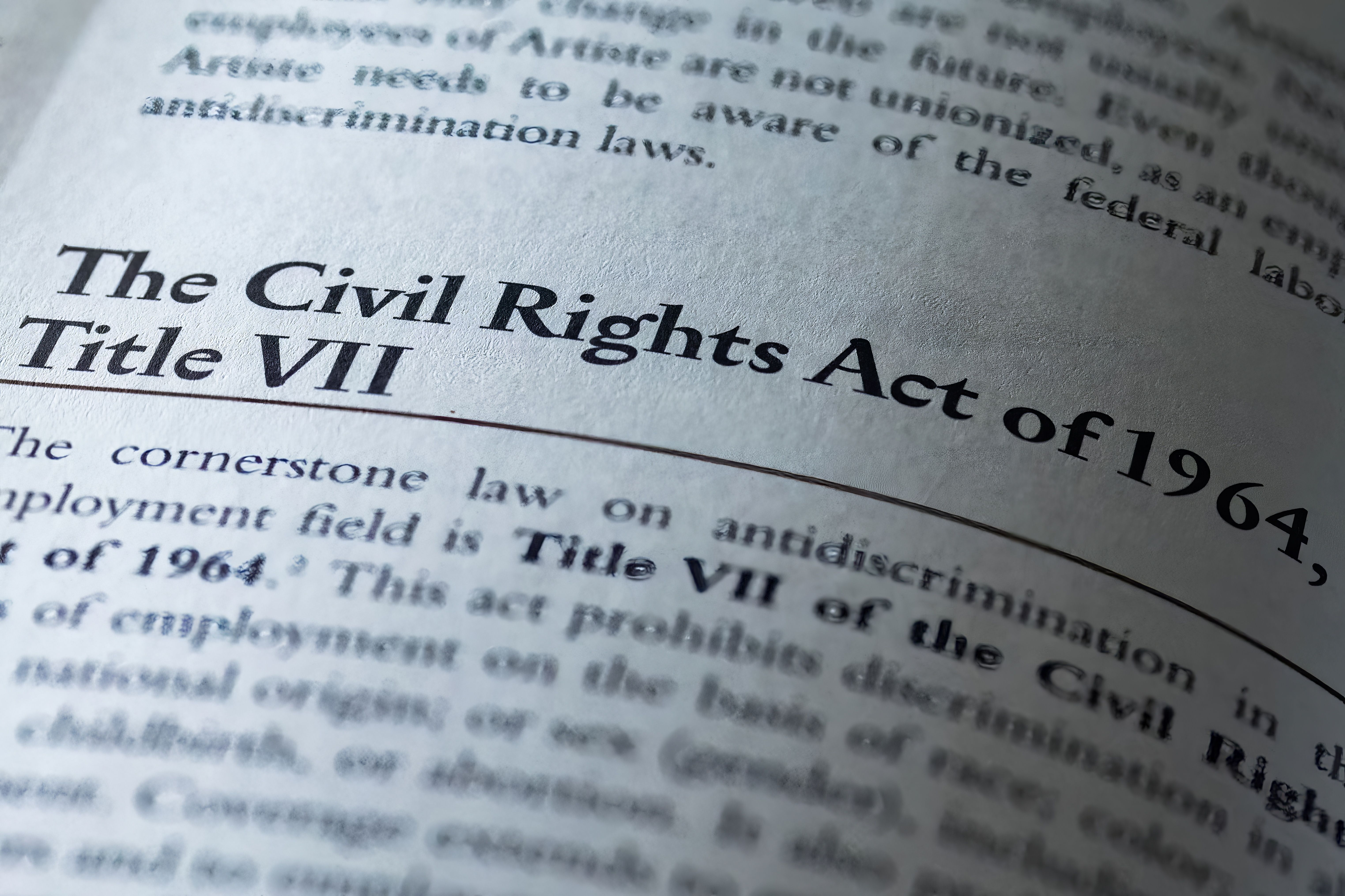
These rights are enshrined in documents like the U.S. Constitution, the Bill of Rights, and the Civil Rights Act of 1964, and they are further reinforced by Georgia state law.
Common Types of Civil Rights Violations in Georgia
Unfortunately, violations occur more often than most people realize. Some of the most common situations include:
1. Police Misconduct
Law enforcement officers have a duty to uphold the law, not abuse their power. Violations may include:
- Excessive force or police brutality
- Unlawful arrests or detentions
- Racial profiling
- Illegal searches and seizures
2. Employment Discrimination
Civil rights extend to the workplace, where individuals must be treated fairly regardless of personal characteristics. Violations may include:
- Wrongful termination due to race, gender, or age
- Harassment or hostile work environments
- Denial of promotions or benefits based on protected status
3. Housing Discrimination
Under the Fair Housing Act, it is illegal for landlords or lenders to discriminate against tenants or buyers based on race, religion, national origin, disability, or family status.
4. Prisoner Rights
Even individuals serving time in prison retain certain constitutional rights, including freedom from cruel and unusual punishment and access to adequate medical care.
5. Denial of Due Process
When government officials fail to follow fair legal procedures, they violate a person’s right to due process. This may happen in criminal proceedings, child custody hearings, or immigration cases.

Why Civil Rights Cases Are So Important
Civil rights cases are about more than individual justice. They also play a critical role in shaping society by:
- Holding institutions accountable when they abuse power
- Protecting vulnerable communities from discrimination and mistreatment
- Setting legal precedents that strengthen protections for all citizens
- Promoting equality and fairness in public and private life
Without enforcement of civil rights laws, systemic abuses would go unchallenged, leaving individuals with no recourse.
Steps to Take If Your Civil Rights Have Been Violated
If you believe your civil rights have been violated in Georgia, it is crucial to act quickly and strategically. Here are the steps to take:
1. Document Everything
- Write down dates, times, and locations of the incident.
- Collect witness statements if possible.
- Preserve physical evidence, photos, or recordings.
2. File a Complaint
Depending on the violation, you may need to file a complaint with agencies such as:
- Equal Employment Opportunity Commission (EEOC) for workplace discrimination.
- Department of Housing and Urban Development (HUD) for housing issues.
- Internal Affairs or Civilian Review Boards for police misconduct.
3. Seek Medical Attention (if injured)
If police brutality or other misconduct caused physical harm, seek immediate medical care. Your records will be essential in proving your case.
4. Contact a Civil Rights Attorney
Civil rights law is complex, and government entities often have powerful legal teams. Having an experienced Georgia civil rights lawyer can mean the difference between a dismissed case and a successful outcome.
Challenges in Civil Rights Cases
Pursuing a civil rights case is not easy. Victims often face obstacles such as:
- Immunity defenses that protect government officials from lawsuits.
- Complicated legal procedures and short deadlines for filing claims.
- Retaliation from employers or agencies after complaints are made.
Despite these challenges, a strong legal advocate can cut through red tape, protect your rights, and fight for justice.
What Compensation Is Available?
Victims of civil rights violations may be entitled to:
- Compensatory damages for medical bills, lost wages, and emotional distress.
- Punitive damages when misconduct is especially reckless or intentional.
- Injunctive relief, such as court orders requiring policy changes.
- Attorney’s fees, which can make pursuing justice more affordable.
Civil rights lawsuits not only bring compensation but also force institutions to correct harmful practices.
Why Choose JD Law Group
At JD Law Group, we understand the emotional and physical toll of civil rights violations. Our attorneys are dedicated to:
- Investigating every detail of your case.
- Gathering strong evidence and expert testimony.
- Standing up to powerful institutions, no matter how intimidating.
- Fighting for both justice and meaningful change.
When your dignity and freedom are on the line, you deserve attorneys who will not back down.
Frequently Asked Questions
1. How long do I have to file a civil rights lawsuit in Georgia?
Time limits vary depending on the type of claim. For example, employment discrimination claims usually require filing with the EEOC within 180 days. It’s best to act as soon as possible.
2. Can I sue the police for misconduct?
Yes, but these cases are complex because officers often claim qualified immunity. An experienced civil rights attorney can evaluate your options.
3. Do I need to pay upfront to hire a civil rights lawyer?
Many civil rights attorneys, including JD Law Group, offer consultations and may take cases on a contingency basis, meaning you only pay if you win.
Call JD Law Group Today
If your civil rights have been violated in Georgia, don’t remain silent. You have the power to take action and demand accountability.
Contact JD Law Group today for a confidential consultation. We are here to defend your rights, pursue justice, and ensure that your voice is heard.
Article written by
JD Law Group LLC.